




The Uncertainty of the Steel and Aluminum Scrap Metal Recycling Industry

  • March 5, 2019

A charged topic for the recycling industry is the imposition of metal tariffs for imports coming into the United States. Spring 2018 tariffs were set at 10% for aluminum and 25% for steel that is imported into the country. The directive of the tariffs is to protect production of domestic steel and aluminum, and allow U.S. developed steel and aluminum products to be competitive against foreign imports. This directive has left an uncertain future for many scrap metal recyclers in the United States.

The scrap metal industry has come onto some hard times for scrap pricing. Scrap steel and aluminum prices took sizable hits last year and continue to drop. Most scrap steel and aluminum prices have trended downward, and recycling rates have tended to decrease. For example, in mid-February 2019, scrap aluminum was selling for $1,473/metric ton on the London Metal Exchange, which is a 20% reduction in price from the year prior according to Bloomberg. The excess supply of iron ore in the United States has also caused steelmakers to opt out of buying scrap metal. However, many scrap owners feel the metal and aluminum prices have bottomed out and will slowly improve in the months ahead.

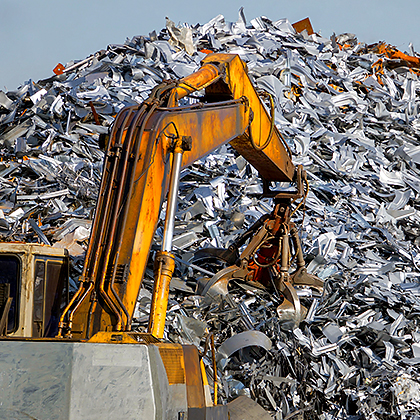
Scrap metal recyclers have a fairly standardized process and are always finding ways to improve, especially in these times when money is stretched. Scrap metal recycling centers buy used metals at prices set by the scrap market. It is then sorted at the recycling center by separating ferrous and non-ferrous metals. This can be done by applying magnets and identification by color. After sorting, the metals are shredded for ease in the melting process. The shredded metals are placed in a large furnace to be melted down and purified. These scrap products are then cooled, solidified, and formed into shapes like bars to be used in new products.

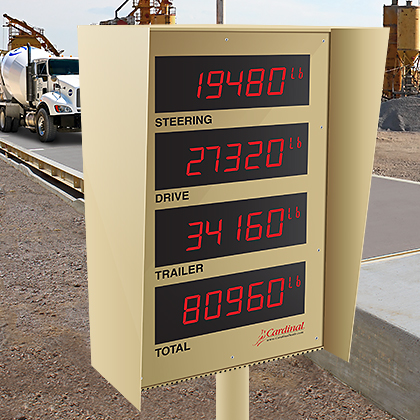
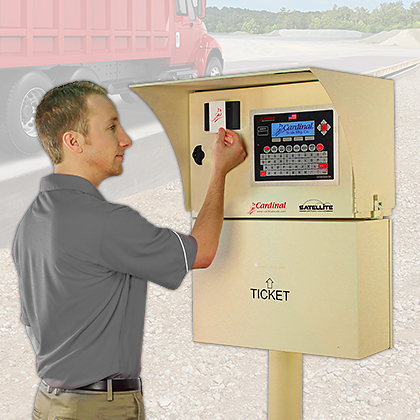
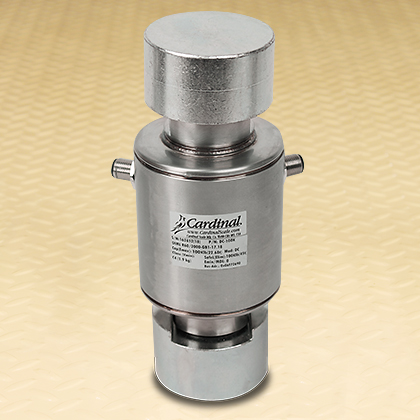
To offset some of the costs associated with a down market, recycling centers must have reliable equipment that drives the process of heavy processing of metal products. Cardinal Scale features a full line of heavy-capacity truck and floor scales for vehicle weighing and container weighing for recycling centers. Cardinal Scale offers the most effective technology and weighbridges to withstand such an unforgiving environment, while providing the value with continued use and resistance to breakdown.

For rail car weighing of scrap metals in aggregate form, Cardinal Scale’s LPRA railroad track scales are low-profile, feature a 270-ton capacity, extra-thick steel decks, and come in electronic or hydraulic load cells. The RSCA series truck and track scales are another great option for static weighing operations and have the combo application of weighing both rail cars and semi-tractor trailers. Designed with 270-ton capacity and 180-ton sectional capacity, featuring either electronic or hydraulic load cells, featuring weighrails that are sealed into the platform, and superior design to prevent sediment, moisture, and foreign materials, the RSCA is perfectly formulated for any bulk recycling weighing process. The LPRA and RSCA railroad scales provide NTEP legal for trade weighing of rail cars and containers distributing aluminum and steel scrap.

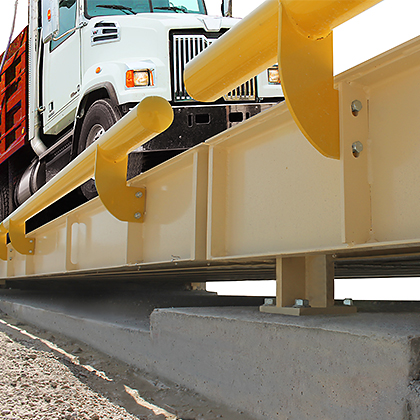
For scrap metal vehicle weighing, Cardinal Scale’s ARMOR truck scale line offers the newest technology combined with the strongest decks available. The ARMOR is available in checkered steel or pour-in-place concrete decks with 135-ton capacity and 50-ton CLC, no moving parts below the deck, SmartCell stainless waterproof load cells, and iSite load cell remote monitoring software. Additionally, Cardinal Scale’s ARMOR truck scales also feature hydraulic load cells which are perfect for environments like recycling and scrap yards. With recycling operations in mind, The SCRAPPER PSC series truck scale provides a precast concrete deck made specifically for the scrapping industry. The SCRAPPER is a fully-electronic, above-ground, low-profile vehicle scale that is durable and resistant to corrosion. The SCRAPPER is ideal for recycling centers weighing standard-size pick-up trucks and gooseneck trailers bringing in scrap metal to be recycled. The ARMOR truck scale is more suited for heavier-duty applications weighing bulk scrap metal and can withstand up to 250 truckload weighments for per day.

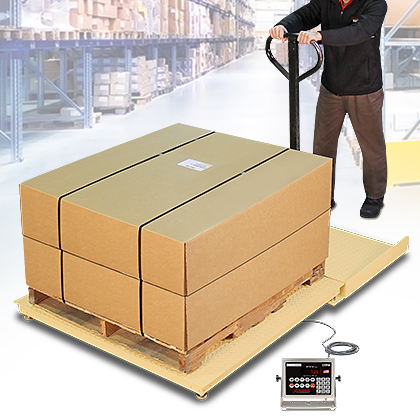
For weighing pallet and tote size containers during the metal separating process, Cardinal Scale offers heavy-duty industrial floor scales such as the FloorHugger and GroundForce series. The FloorHugger FHN series features extra-thick steel decks, up to 10,000 lb capacities, channel construction to protect load cells, and hermetically-sealed load cells to withstand moisture. The FloorHugger features optional ramps and pit frames for added ease of use. The GroundForce FH series electronic floor scales are great for pit installations when there is a shortage of space. The GroundForce features platforms up to 12 x 10 ft, capacities ranging from 5,000 to 20,000 lbs, hermetically-sealed waterproof load cells, and easy set-up for pit installations.

For weighing smaller recycling items such as aluminum cans, Cardinal Scale’s HSDC is a digital hanging scale that can deliver great results for recycling centers. With up to a 500 lb capacity, battery-power for portable weighing, and S hook on the bottom to hang bags of can, the HSDC is ideal when weighing smaller metal items. Whether it be large containers or smaller portions of metal products, Cardinal Scale offers a superior weighing option.

Recycling centers require truck scales, floor scales, railroad track scales, and the related weighing equipment technology that are going to be worth the investment in an environment where investments are tight. Cardinal Scale provides the most resilient, technologically-advanced truck and floor scales for vehicle and container weighing on the market today.

Learn More About Cardinal Scale Products:
https://cardinalscale.com/product

Leave a Comment

Your email address will not be published. Required fields are marked *

Comments

  • 1win-apk-320
  • January 21, 2026 at 11:31 pm

telecharger l’application 1win <a >1win apk</a>

Reply
  • melbet 570
  • January 21, 2026 at 5:16 pm

compte personnel melbet <a >melbet apk</a>

Reply
  • 人人视频
  • January 15, 2026 at 7:57 pm

ifvod平台,专为海外华人设计,提供高清视频和直播服务。

Reply
  • 爱壹帆国际
  • January 15, 2026 at 7:57 pm

艾一帆海外版,专为华人打造的高清视频平台结合大数据AI分析,支持全球加速观看。

Reply
  • missavjavporn
  • January 15, 2026 at 7:57 pm

真实的人类第三季高清完整版,海外华人可免费观看最新热播剧集。

Reply
  • 人人影视
  • January 15, 2026 at 7:57 pm

海外华人必备的iyifan平台,提供最新高清电影、电视剧,无广告观看体验。

Reply
  • Stevenger
  • January 15, 2026 at 6:55 am

This is the harsh truth: the majority of HVAC failures happen because someone skipped a step. Didn’t calculate the load accurately. Used incorrect equipment. Misjudged the insulation needs. We’ve fixed dozens of these failures. And each time, we record another lesson. Like in 2017, when we decided on adding remote monitoring to each system. Why? Because Sarah, our senior tech, got tired of watching homeowners lose money on bad temperature management. Now clients save 20-30% yearly.

https://go.bubbl.us/ef7414/3ea2?/Bookmarks

Reply
  • Stevenger
  • January 14, 2026 at 8:33 pm

This is the harsh truth: nearly all HVAC failures happen because someone ignored a step. Failed to calculate the load correctly. Used cheap equipment. Miscalculated the insulation needs. We’ve fixed countless of these messes. And every time, we record another learning. Like in 2017, when we began adding remote monitoring to every installation. Why? Because Sarah, our senior tech, got tired of watching homeowners burn money on poor temperature management. Now clients save hundreds yearly.

https://www.demilked.com/author/ellachuduj/

Reply
  • Stevenger
  • January 14, 2026 at 9:47 am

This is the harsh truth: most HVAC failures take place because someone skipped a step. Failed to calculate the load properly. Used cheap equipment. Got wrong the insulation needs. We have fixed countless of these messes. And each and every time, we remember another learning. Like in 2017, when we began adding WiFi controls to every installation. Why? Because Sarah, our master tech, got tired of watching homeowners lose money on inefficient temperature control. Now clients save $500+ yearly.

https://jasperouzu889.fotosdefrases.com/how-skagit-county-homes-qualify-for-bigger-heat-pump-rebates

Reply
  • Stevenger
  • January 13, 2026 at 11:17 pm

This is the harsh truth: nearly all HVAC failures take place because someone missed a step. Failed to calculate the load properly. Used undersized equipment. Miscalculated the insulation needs. We’ve fixed hundreds of these messes. And each and every time, we file away another lesson. Like in 2017, when we started adding remote monitoring to each install. Why? Because Sarah, our senior tech, got tired of watching homeowners burn money on bad temperature management. Now clients save hundreds yearly.

https://atavi.com/share/xnc29uzbeuv9

Reply
  • Stevenger
  • January 13, 2026 at 12:32 pm

Let me share the harsh truth: the majority of HVAC failures happen because someone skipped a step. Did not calculate the load accurately. Used incorrect equipment. Misjudged the insulation needs. We’ve fixed dozens of these messes. And each and every time, we file away another learning. Like in 2017, when we decided on adding WiFi controls to each installation. Why? Because Sarah, our lead tech, got frustrated of watching homeowners lose money on bad temperature settings. Now clients save $500+ yearly.

https://padlet.com/plefuldzfy/bookmarks-m4j0l91dvou01de7/wish/lkROZPA2Lq2vWjMg

Reply
  • Stevenger
  • January 12, 2026 at 11:31 pm

Here’s the ugly truth: nearly all HVAC failures occur because someone missed a step. Failed to calculate the load properly. Used undersized equipment. Misjudged the insulation needs. We’ve personally fixed countless of these disasters. And each time, we file away another insight. Like in 2017, when we began adding WiFi controls to every system. Why? Because Sarah, our master tech, got tired of watching homeowners lose money on poor temperature management. Now clients save $500+ yearly.

https://qbkyl.mssg.me/

Reply
  • Armandsoync
  • January 12, 2026 at 9:16 am

Let me share the ugly truth: most HVAC failures happen because someone missed a step. Didn’t calculate the load properly. Used undersized equipment. Got wrong the insulation needs. We’ve personally fixed hundreds of these disasters. And each and every time, we remember another learning. Like in 2017, when we began adding WiFi controls to every install. Why? Because Sarah, our lead tech, got tired of watching homeowners waste money on poor temperature management. Now clients save $500+ yearly.
https://www.callupcontact.com/b/businessprofile/Product_Air_Heating_Cooling_and_Electric/9904077

Reply
  • Armandsoync
  • January 11, 2026 at 10:44 pm

This is the ugly truth: nearly all HVAC failures take place because someone ignored a step. Failed to calculate the load properly. Used incorrect equipment. Misjudged the insulation needs. We’ve personally fixed dozens of these messes. And each time, we record another learning. Like in 2017, when we decided on adding smart thermostats to every installation. Why? Because Sarah, our master tech, got tired of watching homeowners waste money on bad temperature settings. Now clients save 20-30% yearly.
https://www.blogger.com/profile/16467161244411992024

Reply
  • BrentKal
  • January 11, 2026 at 8:57 pm

I need to tell you something most septic companies won’t: there are two kinds of people in this life. Those who believe septic systems are simply “buried containers for waste,” and those who have had raw sewage erupting into their property at 2 AM. I learned this difference the hard way in 2005—knee-deep in muck, freezing in a Washington downpour, as my family and I aided a veteran installer repair our family’s broken system. I was a teenager. My hands were raw. My jeans were ruined. But that night, something changed: This ain’t just digging. It’s families’ lives we’re protecting.
This is the dirty truth: most septic companies just service tanks. They are like quick-fix salesmen at a chainsaw convention. But Septic Solutions? They are different. It all originated back in the early 2000s when Art and his siblings—just kids scarcely tall enough to carry a shovel—helped install their family’s septic system alongside a experienced pro. Picture this: three youngsters knee-deep in Pennsylvania clay, discovering how soil permeability affects drainage while their friends played Xbox. “We did not just dig trenches,” Art explained to me last winter, steaming coffee cup in hand. “We discovered how earth whispers secrets. A patch of wetland vegetation here? That’s Mother Nature screaming ‘high water table.’”

https://www.fitday.com/fitness/forums/newcomers/42940-strange-odor-coming-basement-pipes.html

Reply
  • Armandsoync
  • January 11, 2026 at 12:08 pm

Here’s the harsh truth: the majority of HVAC failures happen because someone ignored a step. Failed to calculate the load properly. Used cheap equipment. Miscalculated the insulation needs. We’ve fixed countless of these failures. And each time, we record another lesson. Like in 2017, when we began adding smart thermostats to all system. Why? Because Sarah, our senior tech, got sick of watching homeowners burn money on poor temperature settings. Now clients save $500+ yearly.
https://www.awwwards.com/productairheating/

Reply
  • Armandsoync
  • January 11, 2026 at 1:34 am

Here’s the brutal truth: most HVAC failures take place because someone ignored a step. Did not calculate the load correctly. Used undersized equipment. Got wrong the insulation needs. We’ve fixed dozens of these messes. And every time, we remember another insight. Like in 2017, when we began adding WiFi controls to all install. Why? Because Sarah, our senior tech, got tired of watching homeowners lose money on bad temperature management. Now clients save 20-30% yearly.
https://productairheating.mystrikingly.com/

Reply
  • Marvinmat
  • January 10, 2026 at 11:09 pm
Reply
  • BrentKal
  • January 10, 2026 at 7:46 pm

Allow me to share with you something most septic companies refuse to: there are two types of people in this reality. Those who think septic systems are simply “subterranean tanks for waste,” and those who have had raw sewage bubbling into their property at midnight. I discovered this distinction the difficult way in 2005—knee-deep in sludge, shivering in a Washington rainstorm, as my brothers and I assisted a weathered installer repair our family’s broken system. I was a teenager. My hands blistered. My pants were wrecked. But that evening, something changed: This isn’t just manual labor. It’s people’s lives we’re preserving.
Here’s the harsh truth: nearly all septic companies just maintain tanks. They act like band-aid salesmen at a chainsaw convention. But Septic Solutions? They are unique. It all started back in the beginning of the 2000s when Art and his siblings—just kids scarcely tall enough to lift a shovel—helped install their family’s septic system alongside a grizzled pro. Visualize this: three pre-teens knee-deep in Pennsylvania clay, understanding how soil permeability affects drainage while their peers played Xbox. “We never just dig ditches,” Art explained to me last winter, warm coffee cup in hand. “We discovered how earth whispers truths. A patch of cattails here? That’s Mother Nature shouting ‘high water table.’”

https://www.wikiwicca.com/forums/topic/can-i-extend-the-life-of-my-drain-field/

Reply
  • Armandsoync
  • January 10, 2026 at 2:55 pm

This is the harsh truth: nearly all HVAC failures happen because someone ignored a step. Failed to calculate the load accurately. Used cheap equipment. Got wrong the insulation needs. We’ve personally fixed countless of these failures. And every time, we remember another insight. Like in 2017, when we began adding smart thermostats to all installation. Why? Because Sarah, our lead tech, got frustrated of watching homeowners waste money on inefficient temperature management. Now clients save $500+ yearly.
https://www.callupcontact.com/b/businessprofile/Product_Air_Heating_Cooling_and_Electric/9904077

Reply